Peter Gleick, a MacArthur Fellowship-winning environmental scientist, is co-founder of the Pacific Institute. In conversation with Srijana Mitra Das at Times Evoke, he discusses the many lives water has lived — and its future (a summary of the discussion is presented in this article):
On his new book called ‘The Three Ages of Water’ –
It is a human history of Water. Water’s first age is thus the early history of humanity and the role this played in emerging cultures, manifest in the first water institutions, laws, dams and aqueducts and the first war over water fought around 2400 BC between two city states in Sumer (now southern Iraq) which lay between the Tigris and Euphrates. The book as per Peter Gleick, describes the second age, which includes the Renaissance to the current; as when humanity constructed the modern water systems that provide for us now. Humans learned how to purify and deliver water and build big dams and reservoirs. The second age is ending, partly because of its unintended consequences — which include the environmental impacts of the water usage, growing political conflicts over it and the huge challenge of global climate change that affects all of our water resources. As things have to be done differently — he thus describe the third age of water as comprising ways to achieve a more sustainable future.
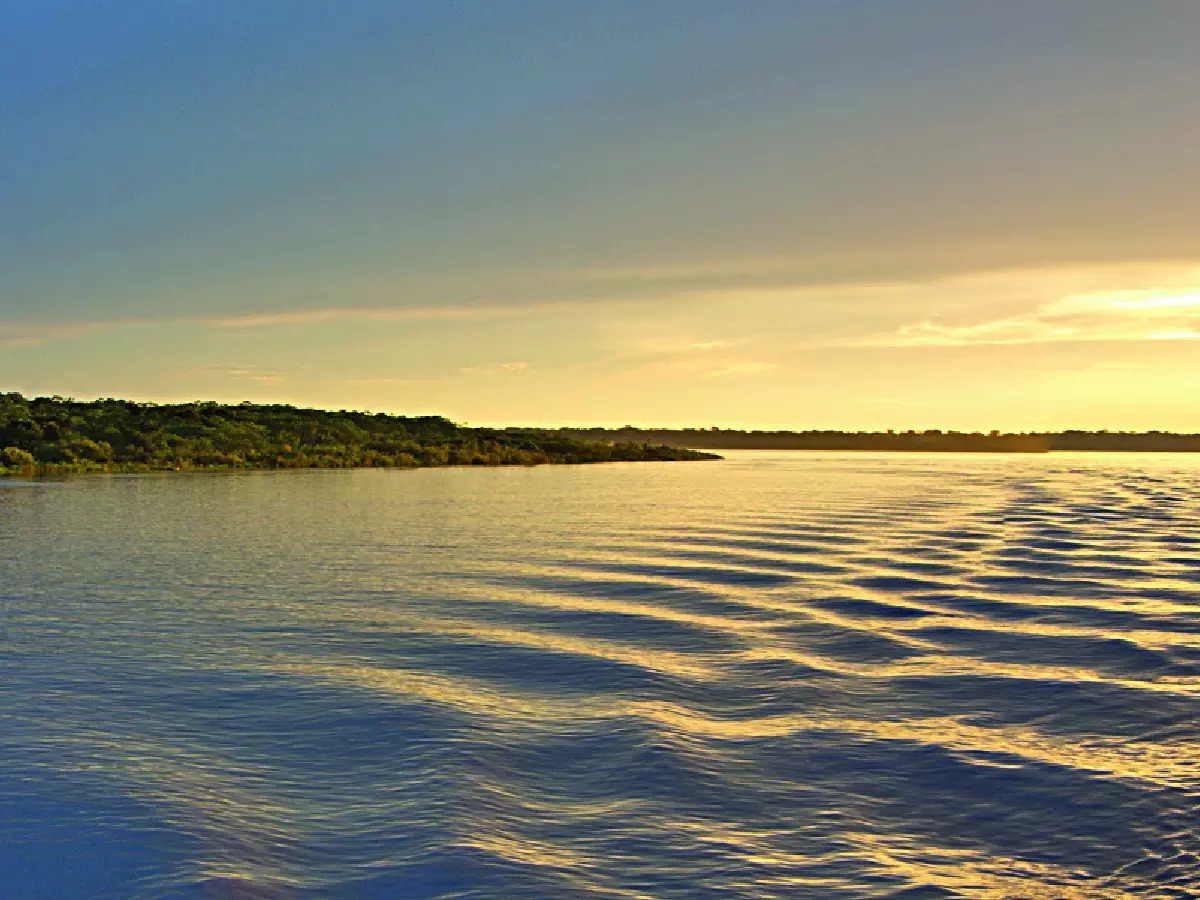
ENABLING YOU: Civilizations, from Egypt to the Indus, evolved near rivers, using water for productive farming, thus supporting growing populations. Photo courtesy: iStock
On did water decisively shape our history? –
Perhaps the development of intentional agriculture was the most important manipulation of water. Another massive advance came when humans learned of how water affects human health — in the 1850s, it was discovered that cholera was neither air-borne, not transmitted by touch but spread by contaminated water. Technology has been developed to clean this. Now it is known how to provide safe water and sanitation to everyone — but there has been a failure to do so.

VITAL: Water treatment is key for all. Photo courtesy: iStock
On some examples of ancient water management?
The very first water laws that were discovered came from ancient Mesopotamia and the Code of Hammurabi which was crafted around 1700 BC. Such early laws helped in developing the infrastructure and institutions that manage water today. But the second age of water is coming to an end because of a series of crises that have grown around it — perhaps the worst is the failure to provide safe water and sanitation to all. It is known how to do this and the technology and money is available for it — but the institutions haven’t delivered. The United Nations calls this out clearly, with UN Sustainable Development Goal (SDG) 6 emphasizing the provision of safe water and sanitation to everyone by 2030. However, he doubts if the world will achieve this aim.
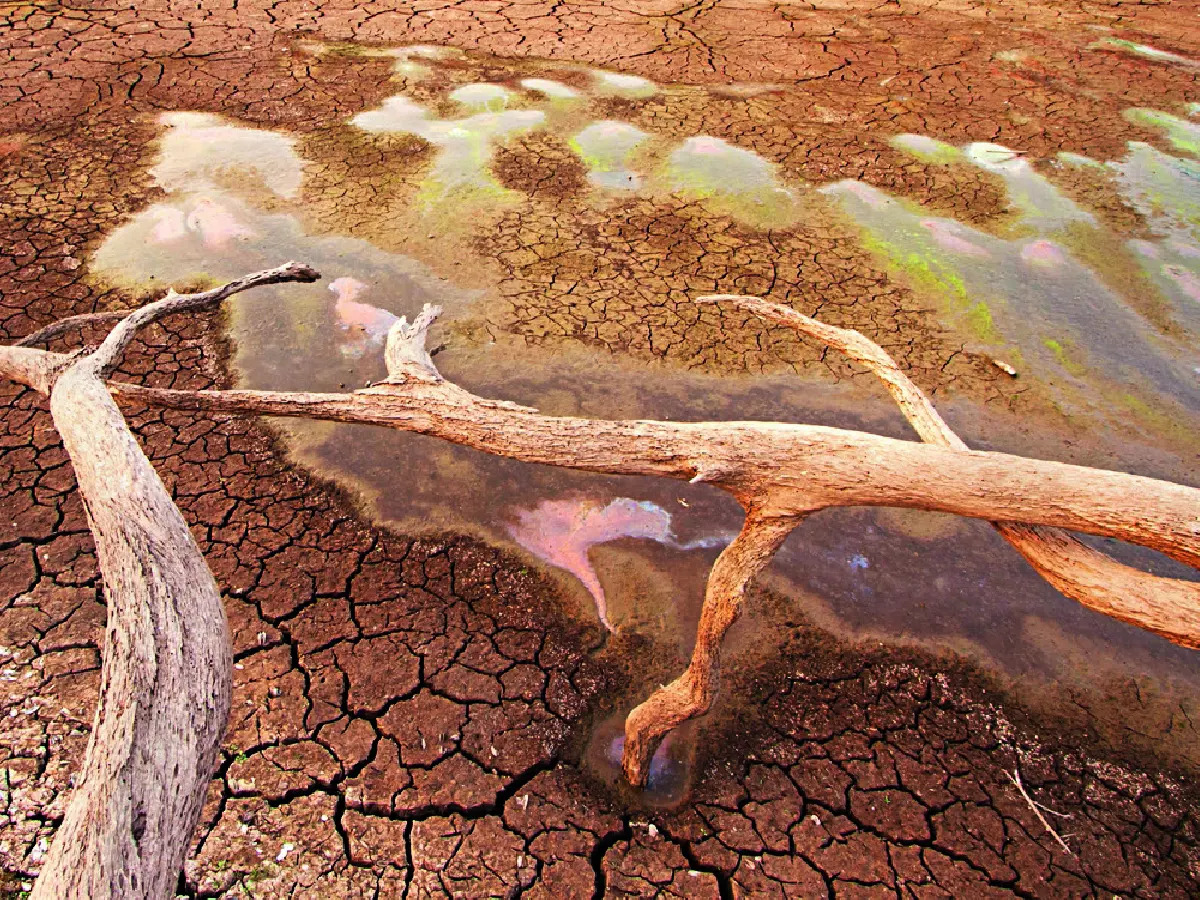
EACH DROP COUNTS: Global warming will bring floods and droughts to many. Photo courtesy: iStock
Another crisis is the environmental consequences of our water policies. Growing conflicts have been seen over these resources worldwide. Water has always been a political issue — it knows no boundaries or borders and major rivers, from those in India to the Amazon and the Mississippi, are shared by two or more nations. Politics plays a crucial role in how we manage water conflicts. Another massive challenge is climate change which will impact these resources
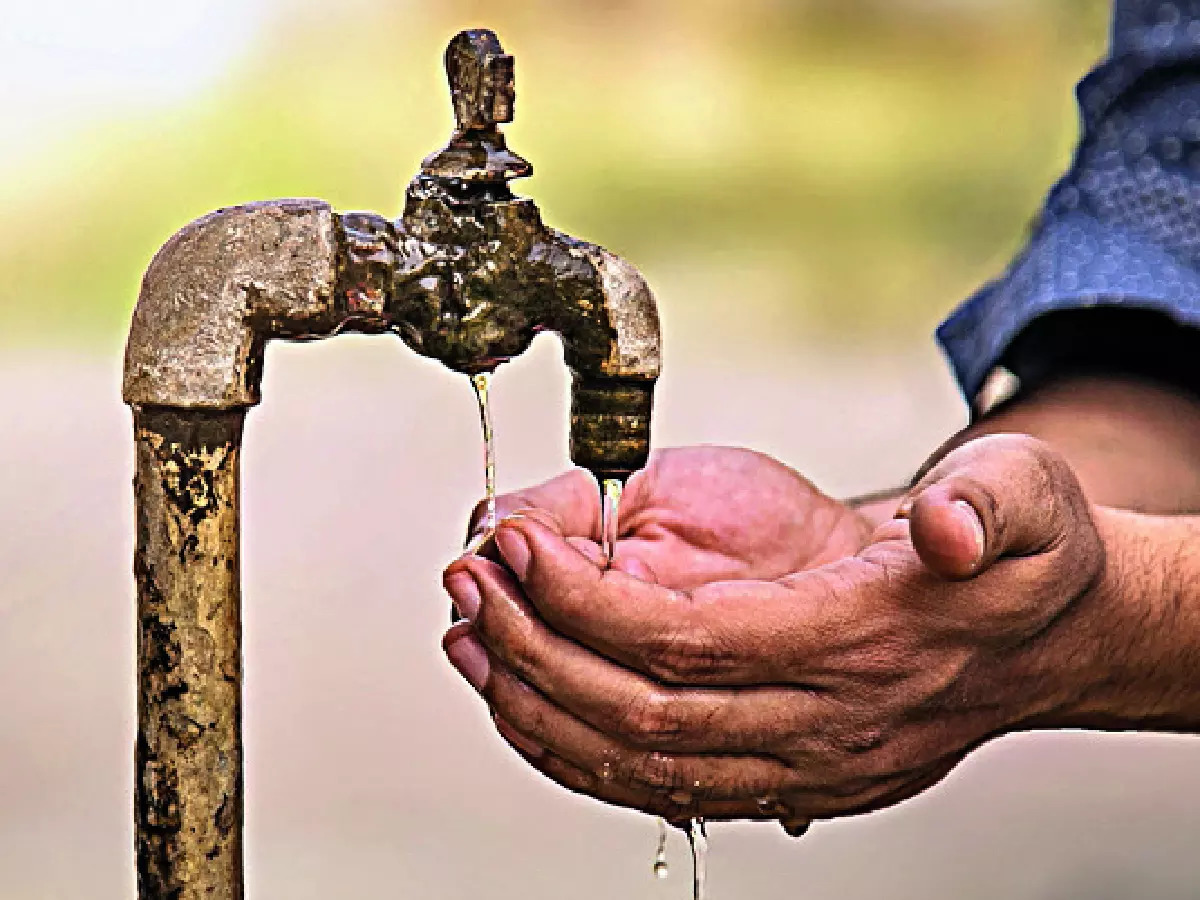
Photo courtesy: iStock
On writing our approach to water could produce a sustainable or dystopian future now — what will decide this?
He believes a positive, sustainable future for water is possible — the challenge is overcoming the political, economic and institutional barriers to this. We need to look at such success stories worldwide and scale these up — governments, corporations and individuals must do the right thing. The good news as per Peter Gleick is, people really care about water – it matters very deeply to communities, cities and companies. The more we can understand both the problems and solutions around it, the more likely we are to move towards a positive future for water resources.
Discover more from rasayANix
Subscribe to get the latest posts sent to your email.
 rasayANix