
Harini Nagendra and Seema Mundoli teach climate science and sustainability at Azim Premji University. Speaking to Times Evoke, they outline how water flows in modern cities. A summary is presented, here –
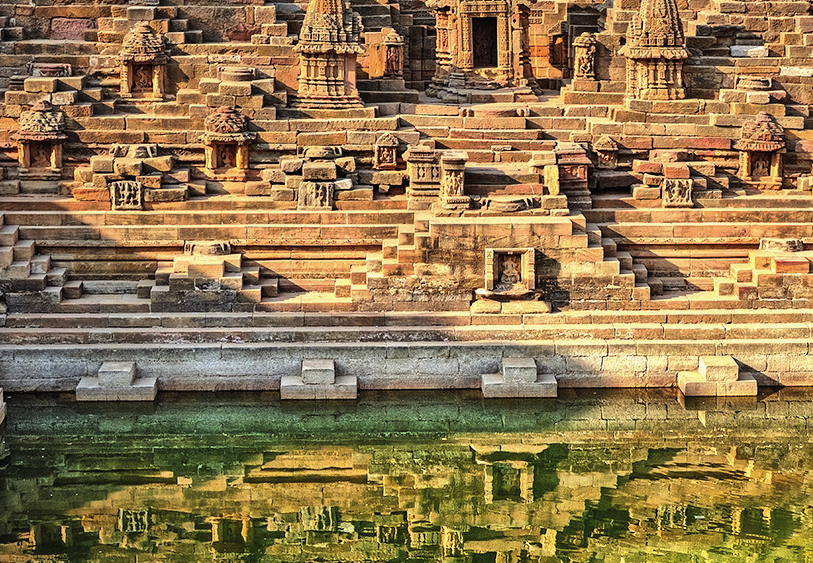
In the era of global warming, as water grows more unpredictable, we should consider where it comes from, the stories it carries and the offerings it brings to our lives. The two researchers delved into many of these aspects in their book ‘Shades of Blue: Connecting the Drops in India’s Cities’. As environmental researchers, they also found that whenever water is discussed now, it is usually in relation to a crisis like a flood, pollution, etc. While those issues must be addressed, they also hope people think of water as a joyous good, something that nurtures all of us and must in turn be looked after. Contrary to the ancient approach of Indian civilization, European colonials had an instrumental or utilitarian
view of resources. Instead, the Colonial Administration saw water just as real estate which wasn’t being used properly. In Mumbai, marshy land had an ecological role but in the colonial gaze, this was just something to build on. If a water body was kept intact, it had to look acceptable researching the colonial discourse over the Yamuna in Delhi, we found local brick makers, washer folk and melon growers were considered ‘unsightly’ herein. There was also a growing view of water as a source of ill-health, something which caused diseases but the focus remained on providing clean water to Europeans in India while ‘Black Town’ or native areas could use contaminated water. However, such sharp changes in perceptions of water resulted in people growing more unaware of how they impacted it. When anyone feels unwell, they generally pop a pill. The effluents of such medication reach water bodies swiftly, causing pollution and antibiotic-resistant bacteria to develop. This affects the entire aquatic ecosystem, with implications even for people living far away. The same applies to the meat industry, poultry, pisciculture, the medical industry, etc., where dumped chemicals and waste pollute water for everyone,
with almost no consequences for anyone. This prevails across the Global South where urban building is outpacing the capacity to provide infrastructure, from roads to water and sewage systems. Being aware of the underlying causes is vital. exactly how drainage works this is mainly just piping which takes untreated water, from industrial effluents to sewage, into underground water bodies that then transport this to rivers. Thanks to poor planning, most of our waterbodies, from lakes to ponds, once seasonal and rain-fed, have now become perennial — and sewage-fed. Once, drains were lined with certain plants which cleaned water. This would then go onto wetlands and be further treated by vegetation — by the time the quantum reached a large waterbody, it would be considerably cleaner. Now, drains are usually made across concretized riverbanks. There is no space left for these ecological processes to function. The British used to pump waste directly into the Hooghly. But then, they discovered a slope which let them divert this into the wetlands of the east. This ecosystem filtered sewage naturally while growing more fertile for farming and fishing in the process We see linkages growing between both droughts and floods in cities like Chennai. Once, Chennai had the Adyar, Coovum and Kosasthalaiyar rivers, the Buckingham Canal and the Pallikaranai marshes that ensured safe drainage from the city into the sea. But massive building has taken place over these river systems, shrinking their ability to absorb water. The city has also built over its marshes which acted earlier like a sponge and ensured replenishment of the water table This causes a cycle of floods and water scarcity, like the 2015 deluge and the 2019 shortage, a situation which could repeat across many cities. Yet, there are ways to create a healthier water future. Some are scientific — it has been found, for instance, that the brown smog which hangs over South Asia impacts the monsoon.

By cleaning air pollution, we could both purify another vital resource and reduce climate impacts on the monsoon, which is growing increasingly volatile with global warming while the natural capacity of wetlands to soak up rain has been whittled down. Upland afforestation is another positive strategy states often fight over river waters. Ironically though, deforestation, land use change and sand mining have weakened these so much, they can’t hold the same volumes anymore. We need hydrological assessments to alter this state now. The river cleaning groups, rainwater harvesters, wetland conservationists and other champions of water also encourage hope for a future where water tells a story only of growing life, not diminishing it.
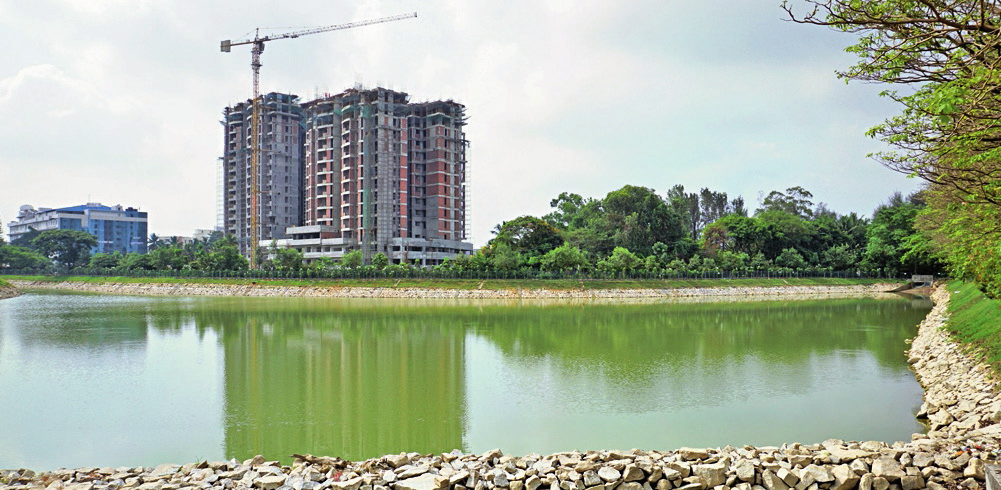
Our Comments – In the city of Bangalore, whereas lakes like Agara have been improved; Vengayyanakere and Margondanahalli Lakes in East Bangalore have degraded into pathetic spots.
Discover more from rasayANix
Subscribe to get the latest posts sent to your email.
 rasayANix